


Fringe Benefits Tax (FBT) and work vehicles continue to be one of the most common problem areas we see for businesses. Many employers assume certain vehicles – particularly dual-cab utes – are automatically exempt from FBT. Unfortunately, that assumption often leads to unexpected liabilities, amended returns, and difficult discussions with the ATO.
The reality is that FBT exemptions are not based on the vehicle alone. They depend on both the type of vehicle and how it is actually used. Even where a vehicle is eligible for an exemption, failing to meet the conditions or maintain appropriate records can still result in FBT applying.
Understanding Where Exemptions Apply
The table below provides a practical snapshot of how common vehicle types are generally treated for FBT purposes in the 2025–26 FBT year:
| Vehicle Type | Potential FBT Exemption? | Key Conditions | Common Errors |
| Sedans, hatchbacks, SUVs | ❌ No | Private use (including commuting) generally triggers FBT | Assuming business branding makes it exempt |
| Single-cab utilities | ✅ Yes | Load capacity ≥ 1 tonne and only limited private use | Regular personal use |
| Dual-cab utes | ⚠️ Sometimes | Must be an eligible vehicle, and private use must be minor, infrequent and irregular | Treating all dual cabs as exempt |
| Panel vans/goods vans | ✅ Yes | Designed mainly for carrying goods with limited private use | Poor or no records |
| Vehicles carrying 9 or more passengers | ✅ Yes | Passenger capacity test met and limited private use | Family or personal use |
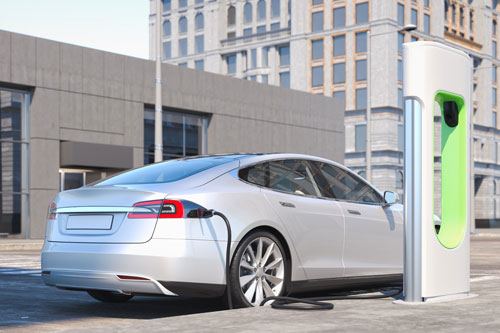
| Electric vehicles (EVs) | ✅ Yes | Zero-emissions, under the LCT threshold, first held after 1 July 2022 | Forgetting reporting obligations |
| Plug-in hybrids | ⚠️ Limited | Transitional rules only | Assuming all hybrids qualify |
Why Mistakes Happen
Most FBT errors don’t arise from carelessness. More often, vehicle use changes gradually over time. A vehicle initially provided strictly for work may be used for weekend errands, or an employee’s role may change. An exemption that once applied may no longer be valid – often without anyone realising.
Record-keeping is another major risk area. Even where private use is genuinely limited, poor documentation can make an exemption difficult to support.
Practical Steps To Stay Compliant
To reduce FBT risk, businesses should:
- Regularly review how work vehicles are actually being used
- Clearly communicate permitted private use to employees
- Keep records to support exemption claims
- Reassess exemptions each FBT year, not just at purchase
When it comes to FBT and vehicles, assumptions are costly. A simple annual review can prevent errors, protect cash flow, and provide peace of mind. If you are unsure whether your vehicles still qualify for an exemption, getting advice early can help avoid surprises later.
Why not speak to a member of our team to discuss how we can provide tailored guidance for your situation?
Can You Amend A Mistake Made With FBT?
Fringe Benefits Tax (FBT) is an area where even well-intentioned businesses can make mistakes. A misclassified expense, an overlooked employee benefit, or an incorrect exemption can all result in an unexpected FBT liability. A common question we receive is whether a mistake can be fixed – or whether you simply have to “cop” the cost.
The good news is that, in many cases, FBT errors can be rectified.
If you identify a mistake before lodging your FBT return, the solution is straightforward: correct the classification, apply the correct valuation method, or remove the benefit if it does not qualify. Reviewing entertainment, vehicle use, and reimbursements before lodgement can often prevent unnecessary tax altogether.
If the error is discovered after lodgement, you can generally amend your FBT return. Amendments are available for up to four years, provided you have adequate records to support the correction. This may allow you to reduce the taxable value of a benefit or claim exemptions or reductions that were missed initially.
However, there is no ability to “offset” a mistaken FBT-attracting purchase against another unrelated expense. Each benefit stands on its own. If a purchase genuinely gives rise to FBT, the liability cannot be cancelled out by other non-FBT expenses or business deductions.
That said, there may still be strategies available. For example, restructuring future benefits, changing vehicle usage patterns, improving logbook records, or switching to salary packaging arrangements can reduce FBT exposure going forward.
The key takeaway is not to ignore an FBT mistake. Early action provides more options, reduces the risk of penalties, and often leads to a better outcome. If you are unsure whether a benefit has been treated correctly, seeking advice before or after lodgement can make a meaningful difference to your final tax position.
Discover more about Salary Packaging and Fringe Benefit Tax.
Disclaimer
The information contained in this publication is for general information purposes only, professional advice should be obtained before acting on any information contained herein. Neither the publishers nor the distributors can accept any responsibility for loss occasioned to any person as a result of action taken or refrained from in consequence of the contents of this publication.